Mustard Greens
Brassica juncea (L.) Czern.
Peppery mustard greens put the zip and soul in the mixed greens traditionally used for Southern American soul food cooking. Pungent mustard is often mixed with hearty collards and flavorful turnip greens, tossed in the pot with some ham hocks and gently simmered for an hour or two, until the mix is meltingly tender. It is this “mess o’ greens” that is featured at many, if not most, Southern celebrations and large family dinners. The pot-likker at the bottom – the vitamin-rich, green broth that results from the long simmering – is highly prized and is sopped up with a piece of fresh cornbread. In addition to being a key element in Southern cooking, Chinese, Japanese and Indian cuisines also use mustard greens.
The mustard plant that gives us greens also can produce the seeds from which Dijon mustard is made, hence the peppery flavor.
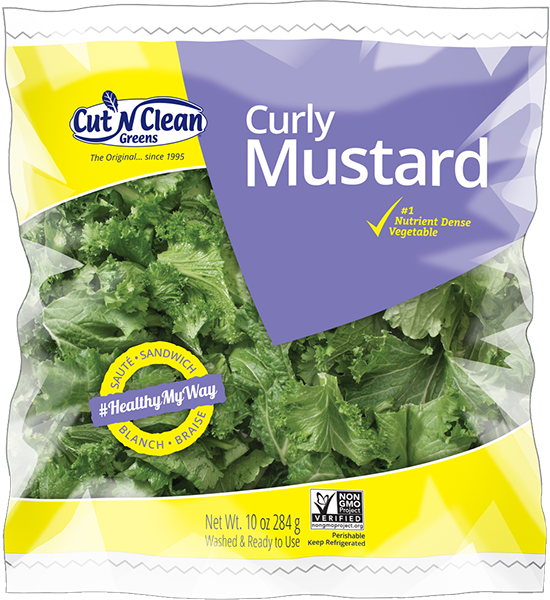
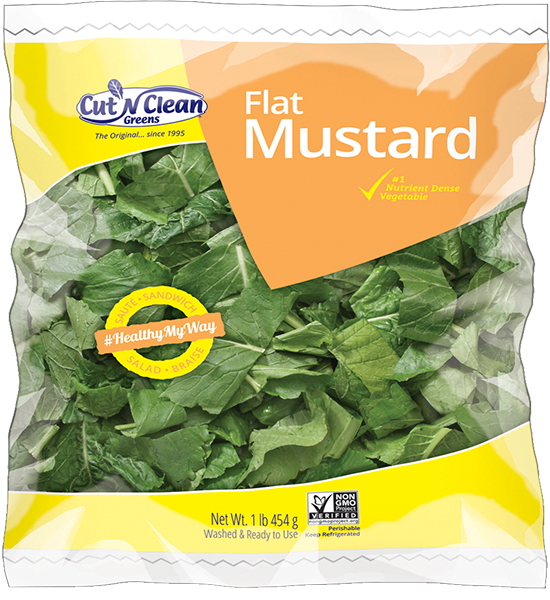
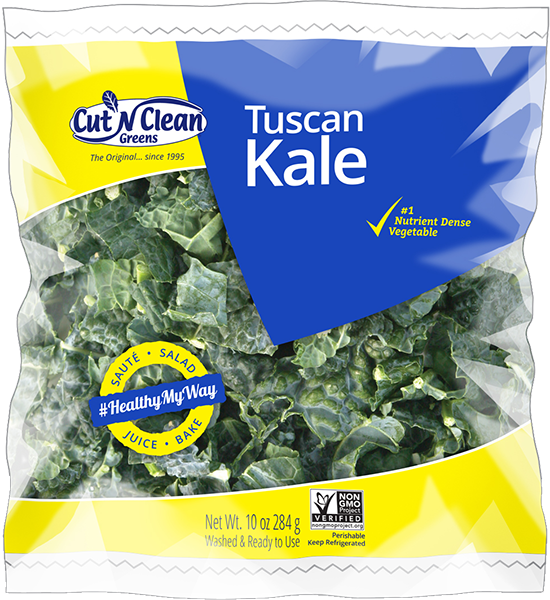
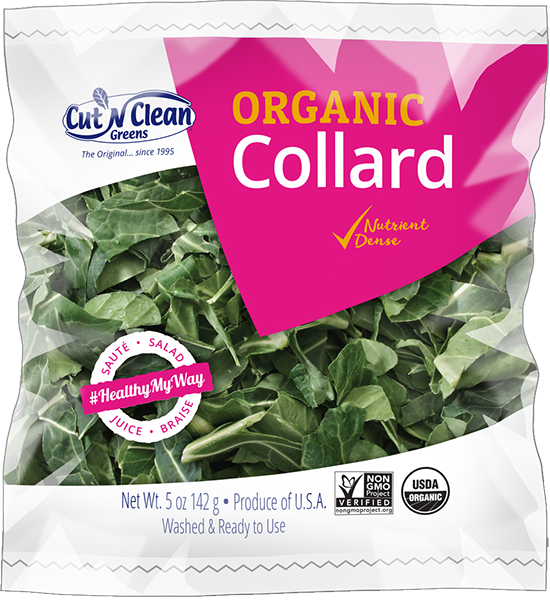
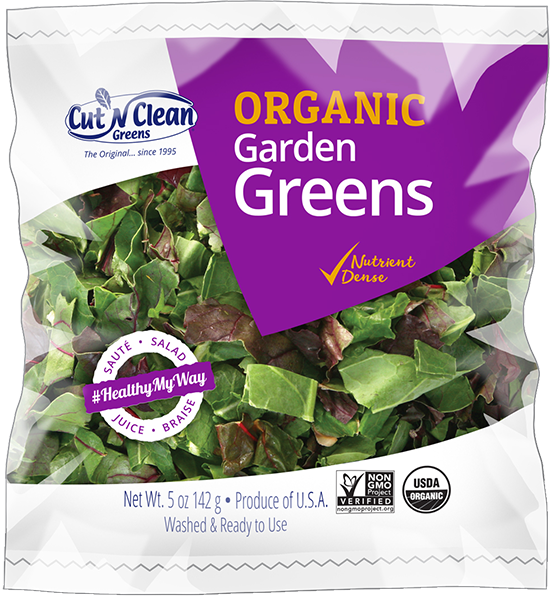
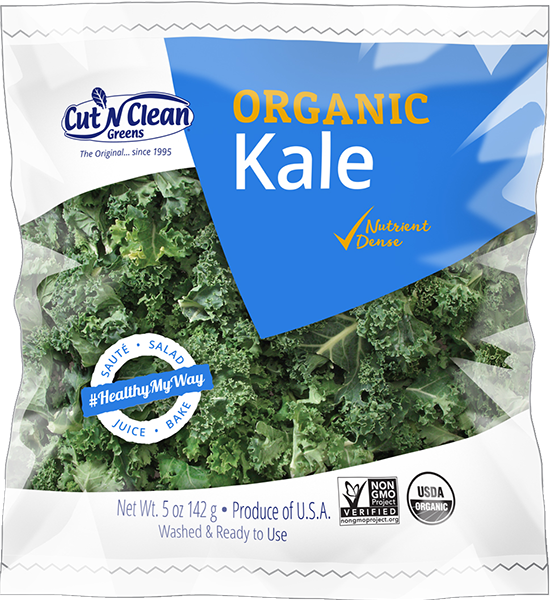
Cut `n Clean Greens Mustard Greens – either flat or curly – make your life easier by eliminating the drudgery of washing and cutting. With our easy bags of ready-to-use mustard, home cooks can focus on cooking, while saving time normally needed for prep and cleanup.
Our mustard is easy to cook, straight from the bag. You can toss it into a soup, wilt it in a skillet or simmer it in some boiling broth or water for a few minutes.
Disease Fighting Food
Mustard greens are packed with nutrients, providing good to excellent amounts of 9 vitamins, 7 minerals, dietary fiber and protein. They also sport lots of phytonutrients (think fight-o-nutrients), like other brassicas such as collards, kale and turnip greens. Mustards can also help with a number of health concerns:
- Lung health: You’ll breathe easier with mustard as part of your diet because the greens are a good source of magnesium, which helps lungs stay relaxed. Their vitamin A content lends a hand in reducing inflammation and emphysema.
- Antioxidant protection: Mustard greens are an excellent source of three notable antioxidants – vitamin E, vitamin C and vitamin A – which team up to scavenge free radicals (these cause damage to the molecules with which they interact and have been linked to a host of different diseases and health conditions). Mustard greens may benefit those with conditions ranging from asthma to heart disease to menopausal symptoms.
- Heart health: The concentrated antioxidants, vitamin E, beta-carotene, vitamin C, magnesium, vitamin B6 and folic acid can help keep your heart healthy by reducing atherosclerosis and platelet clumping.
- Cancer fighter: The phytonutrients in mustard seem able to dismantle carcinogens in the liver, breast and colon.
- The mind: Eating 2-3 servings of green leafy vegetables such as mustard greens has been linked with lessening of age-related cognitive decline like memory.

A pungent peppery mustard flavor

A mild peppery mustard flavor
Cooking Tips
Most cooking greens shine with simple preparation. Here are a couple of additional tips for mustard greens:
- Chop them finely and use a handful of raw mustard in a fresh green salad for a feisty flavor. In fact, mustard greens are often included in the salad greens mix called mesclun, where they add a bit of bite.
- Use raw mustard in place of boring old-fashioned lettuce in a sandwich or wrap, and watch your mouth snap to attention!
- Mustard is more tender than collards or kale, so needs less cooking to make it soft.
- Wilt mustard in a skillet with a bit of oil or broth, and then stir it into cooked rice or beans.
- Toss mustard greens into hot soup and simmer a few minutes to green it up.
- If mustard is too bold for your taste buds, tame it first by blanching in boiling water for a couple of minutes, and then combine it with your other ingredients in a stir fry, or side dish or even a egg casserole dish.